The Classic Labels You’ve Heard Before
Walk into any dispensary and you’ll hear it almost immediately: ‘Are you looking for something more indica or sativa?’ It’s the foundational question of cannabis retail, and for decades it’s been the shorthand customers used to describe what kind of experience they were after. Indica for body relaxation and sleep. Sativa for energy and creativity. Hybrid for something in between.
What the Research Actually Shows
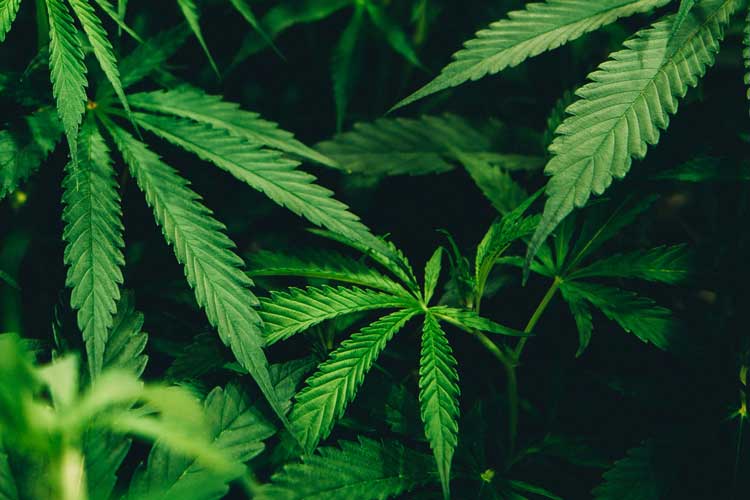
Modern cannabis researchers have found that the physical distinction between indica and sativa plants including leaf shape, height, growing patterns, doesn’t reliably predict the effect a strain will have on the user. The real drivers of your experience are cannabinoids (like THC and CBD) and terpenes, the aromatic compounds that influence how those cannabinoids interact with your body and mind.
A so-called ‘sativa’ with high myrcene content (a terpene also found in mangoes and hops) might actually leave you feeling sedated. Meanwhile, an ‘indica’ rich in limonene could give you an uplifted, energized feeling. The label on the jar is often less important than what’s actually inside it.
So Why Do the Labels Persist?
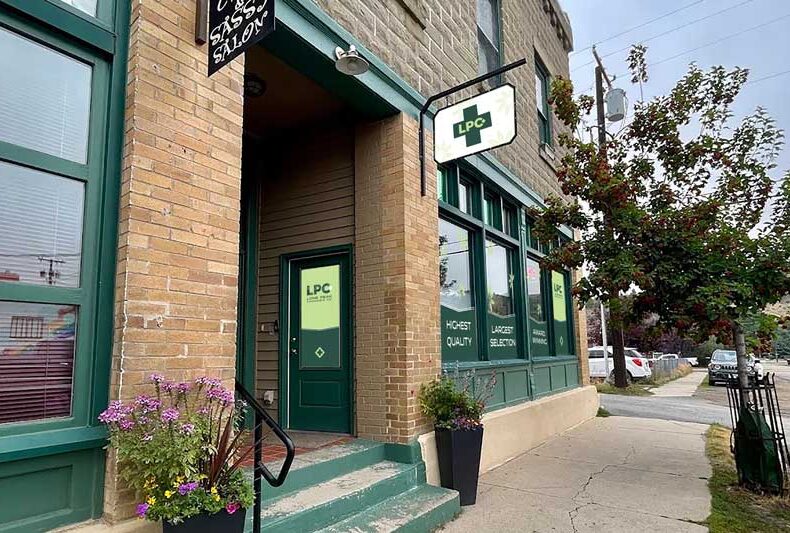
Mostly because they’re useful shorthand. Even if the science is more nuanced, most customers have internalized what they mean and use them to communicate preferences efficiently. Dispensary staff at LPC are trained to go deeper; to look at terpene profiles, THC-to-CBD ratios, and individual product effects, but the old classifications serve as a starting point in that conversation.
Think of it like asking for a ‘light’ or ‘dark’ roast coffee. It’s not the whole story, but it gets the conversation going.
How to Shop Smarter at LPC
Instead of leading with ‘I want an indica,’ try describing the effect you’re going for. Trouble sleeping? Looking to unwind after a long ski day? Want something for a creative project or a social gathering? Our budtenders can point you toward specific terpene profiles and products that are much more likely to deliver the experience you’re after.
The old system isn’t wrong, it’s just incomplete. And in a state like Montana, where cannabis culture is growing fast, we think it’s worth getting it right.